Traditional Markets in Greece Worth Visiting

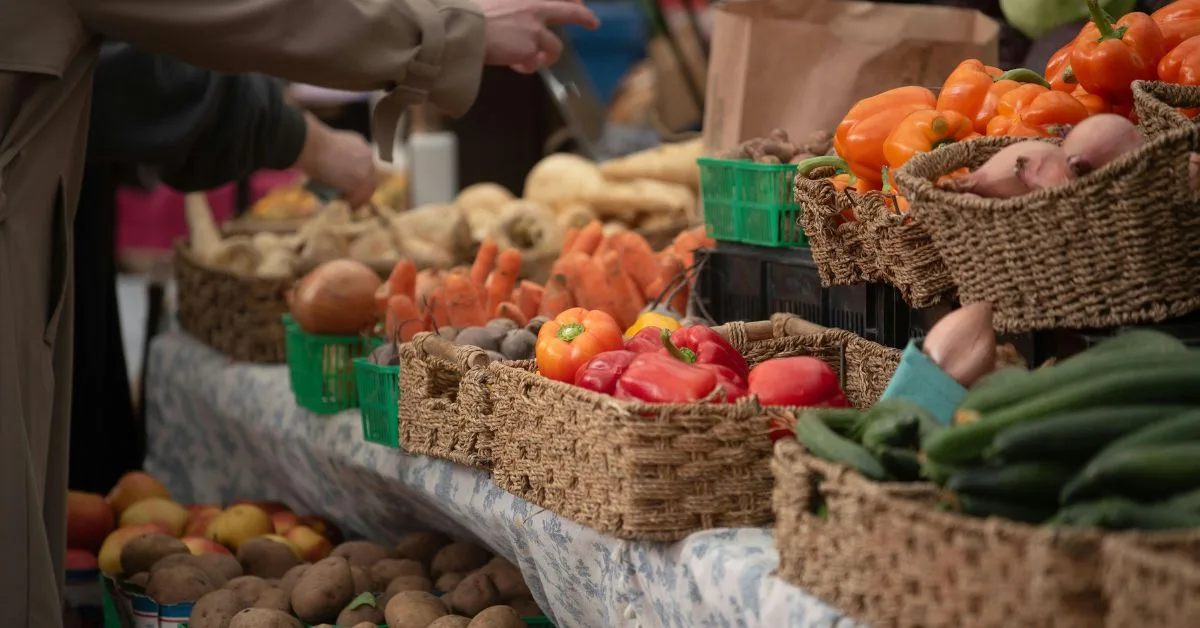

A trip to Greece is not only about beaches, archaeological sites, and picturesque villages. It also takes you past stalls filled with colors, aromas, and products that tell the story of each destination. Traditional markets in Greece are a fascinating part of everyday life. They bring together producers, merchants, locals, and travelers. At the same time, local products reveal much about the culinary identity of each region. From historic markets in major cities to weekly markets in smaller towns, each experience has its own character. Therefore, it is worth leaving some room in your itinerary for a stroll through them.
In the heart of Athens, Varvakios Market is one of the capital’s most characteristic commercial landmarks. Its history is closely linked to the development of modern Athens. Today, it remains a lively marketplace where visitors can find meat, fish, and other food products. Meanwhile, the surrounding streets are home to shops selling spices, legumes, nuts, and many other goods. As a result, a visit to the area offers a different glimpse into everyday life in Athens. Nearby Evripidou Street is, in fact, a small culinary world of its own. The aromas of spices and herbs create one of the most distinctive experiences in the historic center.
Kapani is one of Thessaloniki’s oldest traditional markets. Its narrow streets and small shops still preserve the atmosphere of a lively commercial neighborhood. Here, visitors can find food, spices, olives, cheeses, legumes, and various everyday products. At the same time, small restaurants and eateries add even more interest to the area. Kapani is not simply a tourist attraction. On the contrary, it remains part of the city’s everyday life. This is precisely what makes a visit particularly interesting.
The Municipal Market is one of the most distinctive buildings in Chania and an important part of its modern history. The market opened in the early 20th century and served as a major commercial hub for decades. Its distinctive cross-shaped architecture also made it one of Chania’s recognizable landmarks. Important for travelers: the historic building is currently undergoing renovation. Therefore, visitors should check its current operating status before planning a visit.
However, Chania’s culinary exploration continues throughout the surrounding streets and shops of the Old Town. There, you can look for Cretan cheeses, rusks, herbs, honey, and olive oil.
Beyond permanent markets, weekly farmers’ markets offer an excellent way to experience everyday life in a destination. In Crete, for example, markets in Heraklion, Chania, and other areas bring visitors closer to local agricultural production. The selection changes with the seasons. Tomatoes, wild greens, fruit, olives, and other agricultural products fill the stalls. At the same time, direct contact with producers adds another dimension to the culinary experience. For travelers, such a visit is not only about buying food. It is also an opportunity to observe the everyday rhythm of local life.
In the center of Chios Town, the local market is an interesting stop for travelers who want to discover the island’s products. Mastic naturally takes center stage. However, the island’s local production includes many more flavors. Traditional sweets, aromatic products, citrus fruits, and local specialties offer a broader introduction to Chios gastronomy. At the same time, a walk through the market can be combined with exploring the historic center. In this way, gastronomy becomes part of a wider introduction to the town and its identity.
Markets in Greece are not limited to major cities. Many smaller towns and regions host weekly markets and traditional local bazaars. Here, the experience is often more closely connected to the everyday lives of local residents. Depending on the region, stalls may offer fruit, vegetables, cheeses, honey, herbs, and handmade products. In fact, some markets have been established for many decades. Others are associated with local celebrations, religious festivals, or important dates for the community. Since operating days vary, it is advisable to check before visiting. This way, you can easily include the market in your travel itinerary.
Every Greek destination has products connected to its climate, geography, and history. Therefore, it is worth looking for goods that are genuinely produced in the region you are visiting. In Crete, for example, olive oil, cheeses, rusks, and herbs stand out. In Chios, mastic naturally takes center stage. Meanwhile, in Naxos you will find local cheeses and agricultural products. In Corfu, products made with kumquat are a characteristic part of local production. However, pay attention to the origin and labeling of each product. Just because something is sold in a tourist destination does not necessarily mean it was produced there.
A local market offers something that a conventional travel guide can rarely capture. It shows how a city shops, cooks, and moves through everyday life. At the same time, markets allow visitors to discover products they might not encounter in more tourist-oriented areas. In many cases, a simple visit can lead to unexpected culinary discoveries. Therefore, you do not always need to approach markets purely as places for shopping. You can simply walk around, observe, and discover another side of your destination.
Traditional markets represent just one aspect of Greece’s rich cultural and culinary identity. Through Filoxeno.com, you can discover more information about destinations, accommodation, and activities throughout the country. At the same time, you can find ideas for culinary experiences, local products, and places of interest. This way, your trip can combine famous landmarks with smaller, authentic experiences that reveal the true character of each destination.