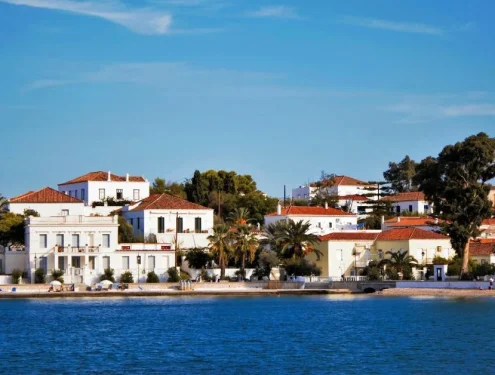
The Dodecanese is one of Greece’s most distinctive travel destinations. Most visitors choose these islands for their stunning beaches, historic settlements, and unique landscapes. However, behind every island lies another treasure worth discovering: its local gastronomy. The authentic flavors of the Dodecanese are closely connected to the islands’ history, culture, and everyday life. Each island has developed its own culinary identity by making the most of the products offered by its land and sea. As a result, a trip to the Dodecanese easily becomes a gastronomic journey, where every stop reveals new recipes, aromas, and local traditions. At the same time, many producers continue to work in small family-run businesses, preserving techniques that have been passed down from generation to generation. This is precisely why the products of the Dodecanese stand out for their quality and authenticity.
Why is the gastronomy of the Dodecanese so unique?
The geographical location of the Dodecanese has played a decisive role in shaping its local cuisine. Situated in the southeastern Aegean Sea, the islands have long stood at the crossroads of civilizations that connected Greece with Asia Minor and the Eastern Mediterranean. These influences remain evident today. Many traditional recipes combine Greek ingredients with flavors and techniques that reached the Aegean through centuries of trade and seafaring. At the same time, each island made use of the natural resources available to it in different ways.
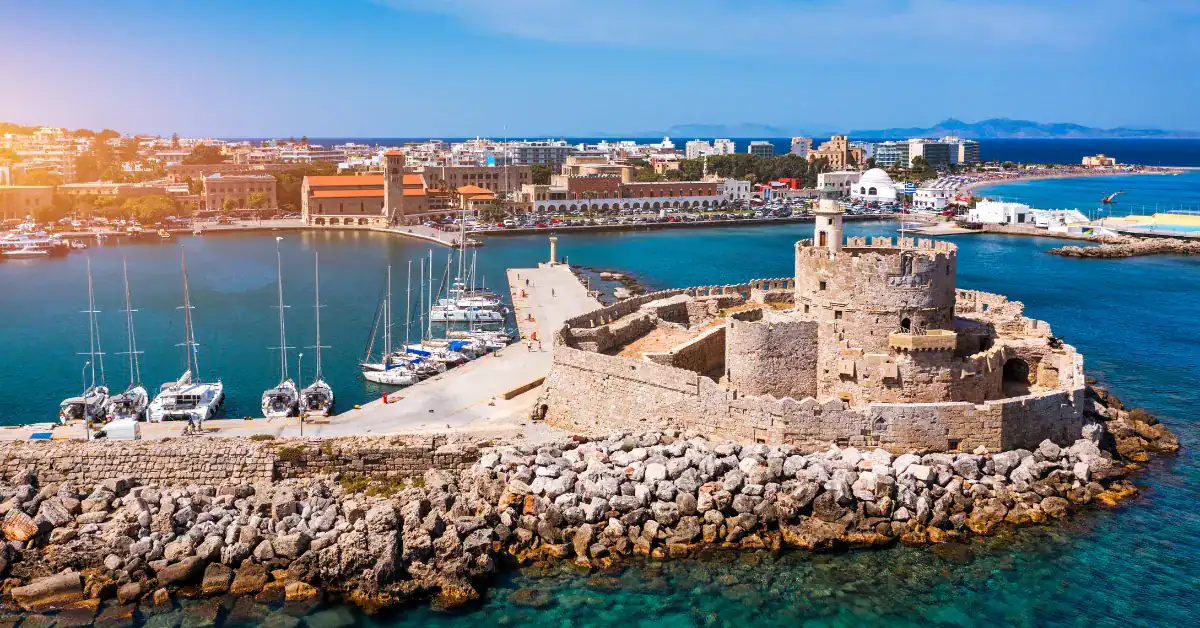
Rhodes, for example, developed a rich agricultural tradition thanks to its fertile plains. Karpathos and Kasos relied more heavily on livestock farming, while Symi and
Kalymnos shaped their culinary traditions around the sea. Although they all belong to the same island group, the gastronomic experience varies significantly from one island to another.
Honey is one of the region’s greatest culinary treasures
Honey is among the best-known products of the Dodecanese and remains a favorite choice for visitors seeking authentic local flavors. Thyme gives the honey its distinctive aroma, while the islands’ rich natural vegetation—filled with thyme, sage, and other aromatic herbs—provides ideal conditions for beekeeping. Bees collect nectar from these wild plants, producing honey with an intense aroma and rich flavor. Kalymnos, Karpathos, Kasos, and Rhodes are especially renowned for their exceptional thyme honey. Many local beekeepers welcome visitors to their facilities, offering them the opportunity to learn about the traditional honey-making process. Honey is widely used in both desserts and everyday cooking. It accompanies local cheeses, yogurt, and traditional sweets, making it one of the most popular products travelers purchase before returning home.
Olive oil lies at the heart of Dodecanese cuisine
Olive trees have been cultivated throughout the Dodecanese for centuries. Olive oil is an essential ingredient in almost every traditional recipe and remains at the heart of the local Mediterranean diet. In several areas of Rhodes, Kos, and Patmos, family-owned olive mills continue to produce olive oil with great care and dedication. Many producers also offer tasting experiences, allowing visitors to discover the differences between olive varieties and production methods. In addition to cooking, extra virgin olive oil is used in numerous traditional dishes, including savory pies, legumes, and vegetable-based recipes that define the islands’ cuisine.
Traditional cheeses have their own story
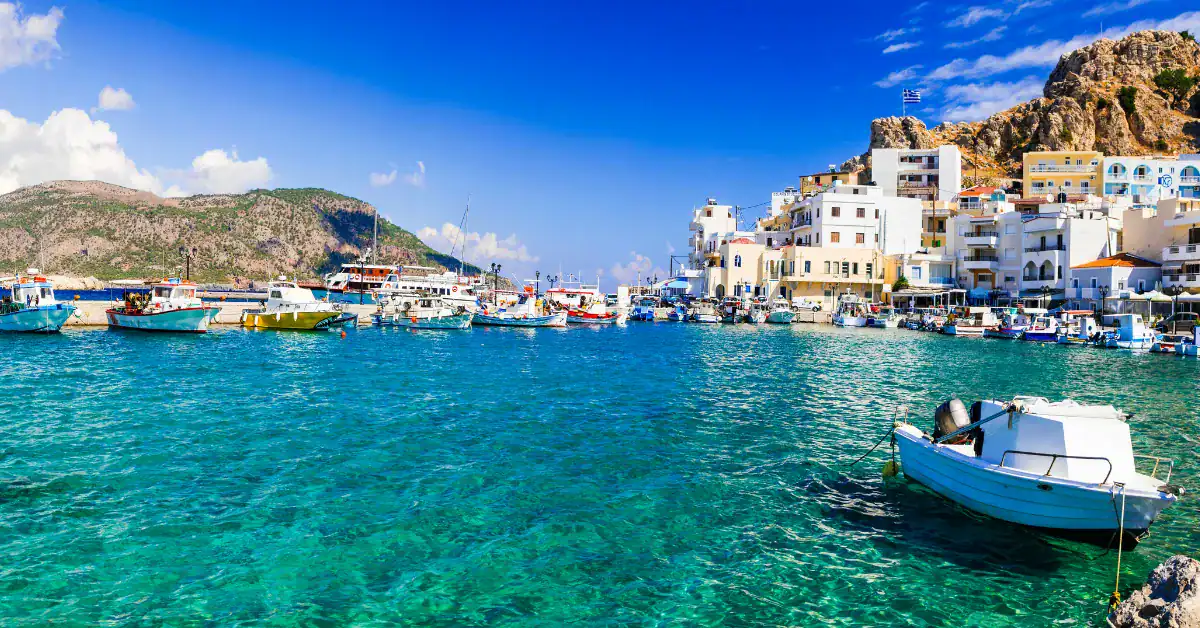
Livestock farming remains an important activity on several islands of the Dodecanese. As a result, the region produces distinctive cheeses with rich character and unique flavors. Every island has developed its own specialties. Karpathos and
Kasos are particularly known for their traditional goat’s and sheep’s milk cheeses, produced using techniques that have remained unchanged for generations. Small family-run dairies continue to prioritize quality over mass production. Consequently, each cheese develops its own personality, influenced by the local flora and the unique environmental conditions of each island. Many of these cheeses accompany handmade pasta, traditional pies, and local appetizers, forming an integral part of Dodecanese gastronomy.
Seafood is an essential part of the local cuisine
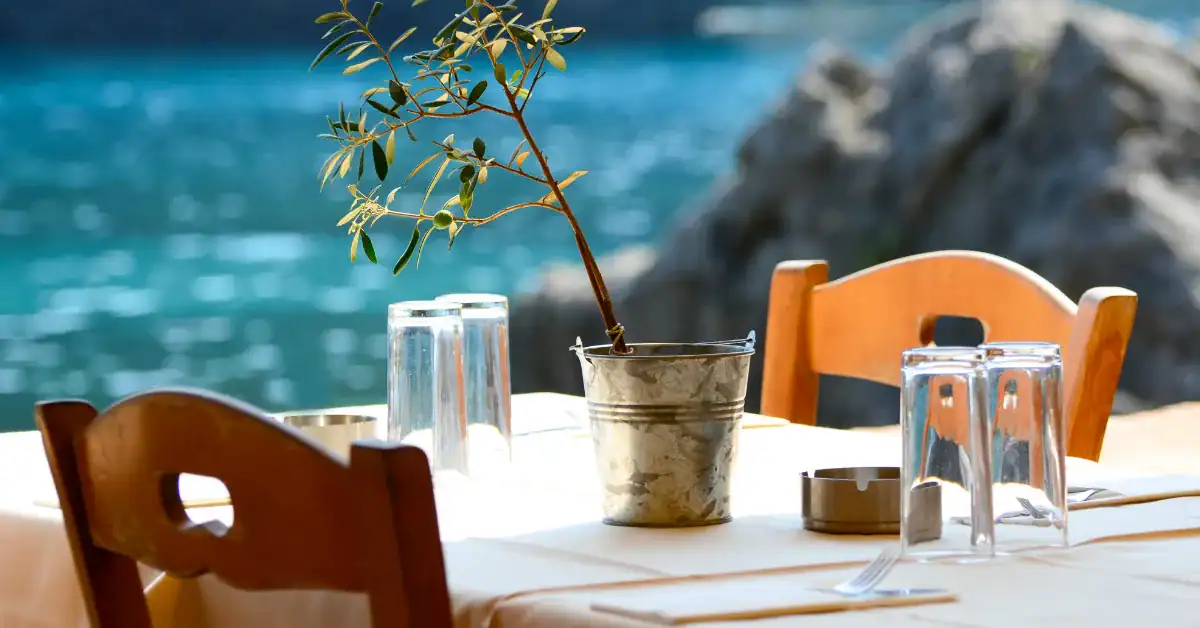
Life in the Dodecanese has always been closely connected to the sea. For centuries, fishing has been one of the main sources of income for local communities and continues to supply the islands’ cuisine with fresh, high-quality seafood. In seaside tavernas, visitors can enjoy fresh fish, octopus, squid, cuttlefish, and shrimp, prepared with simple recipes that highlight their natural flavors. These dishes are often accompanied by locally produced olive oil, aromatic herbs, and fresh seasonal vegetables.
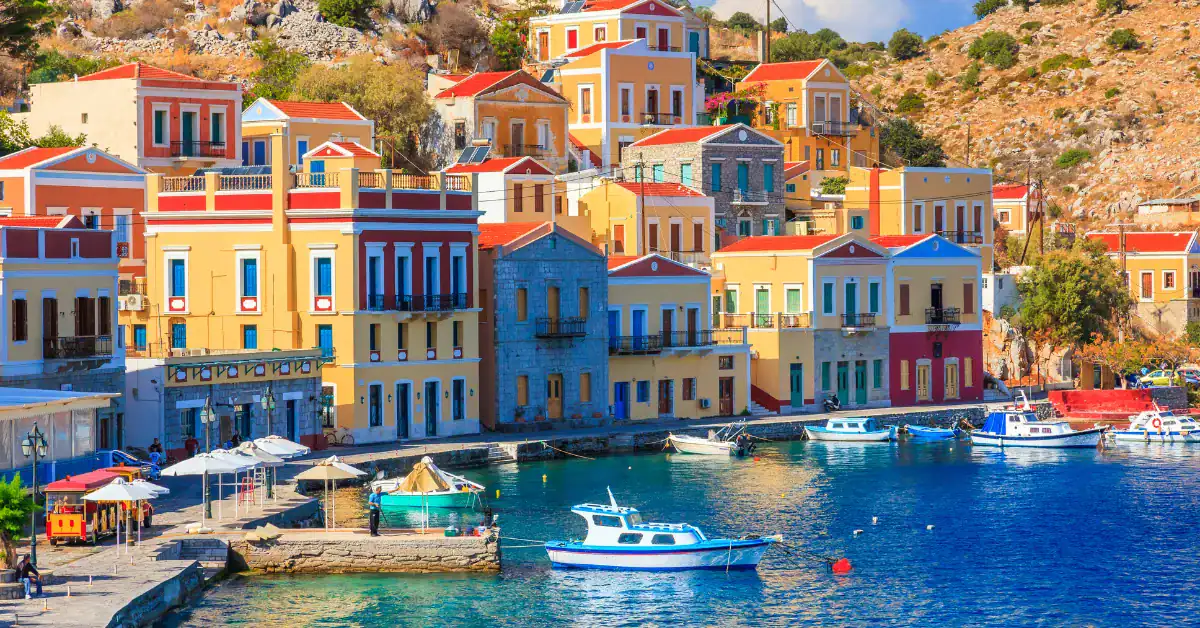
The famous Symi shrimp
One of the most iconic products of the Dodecanese is the small
Symi shrimp. Its distinctive size and exceptional flavor have established it as one of the island’s signature delicacies, attracting thousands of visitors every year. It is typically served whole and lightly fried, becoming one of the dishes most closely associated with Symi’s culinary identity.
Makarounes from Karpathos and Kasos
Among the most characteristic recipes of the Dodecanese are the famous makarounes. These handmade pasta noodles are still prepared traditionally in many local households today. The dish is usually served with caramelized onions and grated local cheese, creating a recipe that combines simplicity with rich flavor. Makarounes are also frequently prepared during festivals, village celebrations, and family gatherings, making them not only a beloved traditional meal but also an important part of the cultural heritage of both Karpathos and Kasos.
Melekounia from Rhodes
No tribute to the authentic flavors of the Dodecanese would be complete without mentioning melekounia, Rhodes’ traditional honey sweet closely linked to local customs and celebrations. Made with honey, sesame seeds, almonds, and aromatic spices, this traditional delicacy has remained virtually unchanged for generations. It has long been associated with Rhodian weddings and festive occasions. Today, melekounia is one of the most popular local products chosen by visitors, combining authentic flavor with significant cultural value.
Local wines and traditional spirits
Viticulture has deep roots throughout the Dodecanese. The mild climate and distinctive terroir provide ideal conditions for producing high-quality wines. Rhodes and Kos boast a long winemaking tradition and are home to both modern wineries and family-owned vineyards that welcome visitors for guided tours and wine tastings. In addition, several islands produce traditional spirits that perfectly complement local cuisine and remain an important symbol of the islands’ warm hospitality.
Aromatic herbs that flavor every recipe
The natural landscape of the Dodecanese is rich in aromatic herbs. Oregano, thyme, sage, rosemary, and many other native plants are used daily in local cooking as well as in herbal infusions. Many producers also offer naturally dried herbs, making them a popular choice for visitors looking to take home an authentic taste of the islands. Every island offers its own culinary surprises The gastronomy of the Dodecanese is far from uniform. Instead, every island offers its own unique culinary identity.
Rhodes is famous for its melekounia, wines, and premium olive oil. Symi is internationally known for its famous shrimp, one of the island’s culinary landmarks. Karpathos is celebrated for its makarounes, traditional cheeses, and homemade pies still prepared in many villages. Kasos preserves a strong tradition of handmade pasta and cheesemaking, while its renowned hospitality is always accompanied by homemade delicacies. In Kalymnos, alongside its rich maritime heritage, thyme honey and traditional sweets occupy a special place. Leros offers a cuisine centered on fresh fish, seafood, and family recipes passed down through generations. Finally, Patmos combines its monastic heritage with exceptional local products such as honey, cheeses, and aromatic herbs grown in its distinctive natural landscape.
Where can you discover authentic local products?
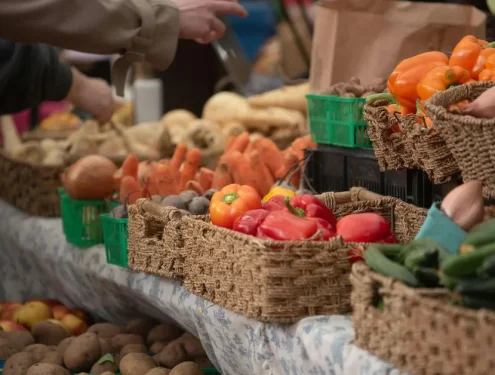
The best way to experience the gastronomy of the Dodecanese is to venture beyond tourist shops. Visit small grocery stores, family-run businesses, agricultural cooperatives, and local markets, where producers proudly present their products and share the stories behind their craft. Summer festivals and food events also provide excellent opportunities to taste traditional recipes, meet local residents, and gain a deeper understanding of each island’s culinary heritage.
Discover more gastronomic experiences in the Dodecanese
Local cuisine is only one part of the travel experience in the Dodecanese. Through
Filoxeno.com, you can discover even more information about traditional products, gastronomic routes, activities, attractions, and accommodation options across the islands. You’ll also find practical travel tips and recommendations that will help you experience each destination through its authentic local traditions and unforgettable flavors. The authentic flavors of the Dodecanese are one of the most compelling reasons to visit these remarkable islands. While exploring their beaches, villages, and historical landmarks, be sure to set aside time to discover the rich culinary traditions that make each island truly unique.