Where Are the Top Diving Spots in Greece?

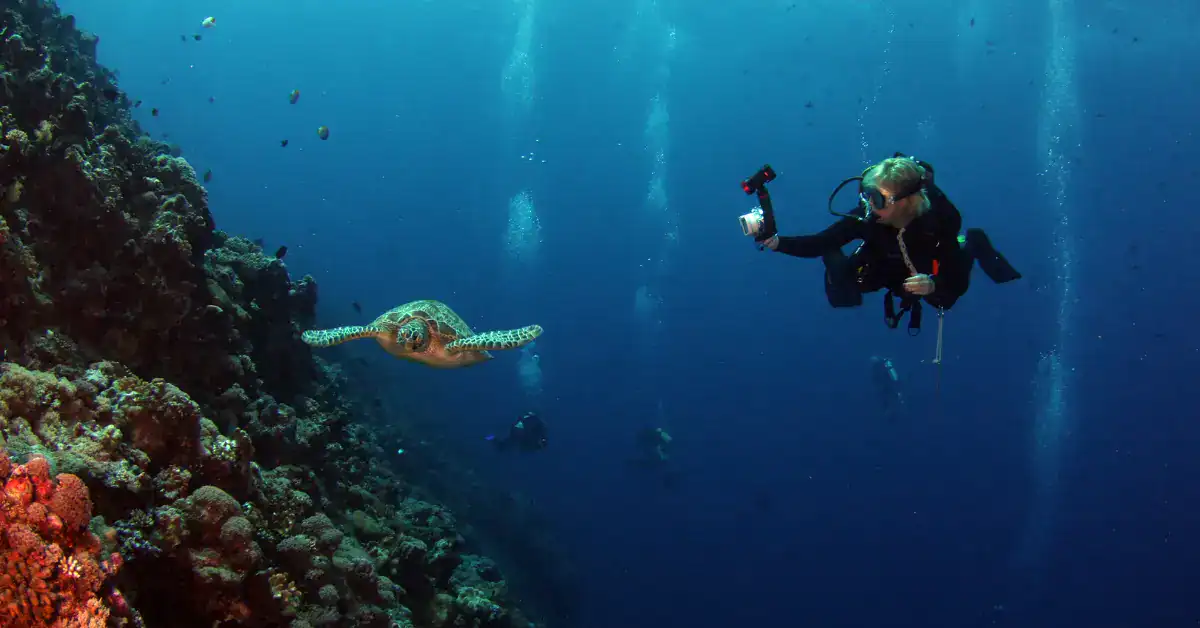

Many travelers wonder where are the top diving spots in Greece for their next underwater adventure. Greece is known not only for its stunning beaches but also for the fascinating world hidden beneath its crystal-clear waters. With exceptional visibility, rich marine life, and historic shipwrecks, the country offers ideal conditions for unforgettable diving experiences.
In recent years, diving tourism in Greece has grown significantly. At the same time, new diving parks and organized underwater attractions have increased the country’s appeal to travelers. As a result, Greece is becoming one of the Mediterranean’s leading destinations for underwater exploration.
The Top Diving Spots in Greece You Should Know About
From the Ionian Sea to the Aegean, Greece offers countless diving opportunities. However, some destinations stand out for their uniqueness and natural beauty.
Alonissos: Greece’s First Underwater Museum
Alonissos has attracted international attention among diving enthusiasts. In particular, the Peristera Underwater Museum is considered one of the most important underwater attractions of its kind in Europe.
At a depth of approximately 25 meters lies an ancient merchant shipwreck dating back to the 5th century BC. Visitors can observe thousands of amphorae that have remained on the seabed for centuries. In addition, the area offers excellent visibility and abundant marine life.
Kalymnos: A Paradise for Experienced Divers
Kalymnos has a long maritime tradition and is historically famous for sponge diving. Therefore, it comes as no surprise that it ranks among the top diving destinations in Greece.
Divers can explore underwater canyons, caves, and dramatic wall formations. Meanwhile, the crystal-clear waters provide exceptional visibility even at greater depths. The island offers diving experiences suitable for both beginners and advanced divers.
Zakynthos: Diving Alongside Sea Turtles
Zakynthos combines natural beauty with ecological significance. It is home to one of the most important habitats of the Caretta-Caretta sea turtle in the Mediterranean.
Divers can explore caves, reefs, and impressive rock formations while observing marine species in their natural environment. This destination is especially appealing to those who appreciate marine biodiversity and wildlife encounters.
Shipwrecks That Offer Unique Diving Experiences
Greek waters are home to hundreds of shipwrecks from different historical periods. For many divers, these underwater relics are the main reason for choosing a destination.
Kea: The Historic Britannic Shipwreck
The legendary Britannic, sister ship of the Titanic, rests in the waters off Kea. This iconic wreck attracts technical divers from around the world.
Although access requires specialized training and experience, the dive is considered one of the most remarkable in the Mediterranean. Furthermore, the area features several other notable wrecks that enrich the local diving scene.
Leros: An Underwater War Museum
Leros is a unique destination for history enthusiasts. Its seabed contains aircraft and shipwrecks from World War II.
Diving here offers a fascinating journey into the past while showcasing how nature has gradually incorporated these wrecks into the marine ecosystem.
Underwater Caves and Spectacular Seascapes
Beyond shipwrecks, Greece boasts extraordinary natural diving environments.
Crete: Caves and Rocky Formations
Crete offers a wide variety of dive sites. In particular, the areas around Chania and Agios Nikolaos are renowned for their underwater caves and passages.
Divers can enjoy rich marine biodiversity and often encounter groupers, octopuses, and colorful schools of fish. Moreover, favorable weather conditions allow diving for much of the year.
Santorini: Volcanic Landscapes Beneath the Sea
Santorini’s beauty extends far beyond its famous cliffs and sunsets. Beneath the surface, the island’s volcanic history has created unique underwater geological formations.
Black lava rocks, underwater canyons, and striking color contrasts create a truly distinctive diving environment. As a result, diving in Santorini offers an experience unlike any other destination in Greece.
What Travelers Should Know Before Diving
Choosing a certified diving center is essential for a safe and enjoyable experience. Visitors should also stay informed about weather conditions and the specific requirements of each dive site.
Beginners can start with introductory dives under the supervision of qualified instructors. More experienced divers, on the other hand, can access deeper wrecks and more challenging underwater routes.
At the same time, protecting the marine environment remains crucial. Responsible diving practices help preserve these unique ecosystems for future generations.
Discover Diving Activities on Filoxeno.com
Travelers interested in exploring the top diving spots in Greece can find useful information through the activities section of Filoxeno.com.
The platform features organized diving centers, training schools, daily excursions, and diving experiences suitable for every skill level. Visitors can also learn about available services in popular destinations such as Crete, Kalymnos, Zakynthos, Santorini, and Alonissos.
In addition, Filoxeno.com provides valuable travel-planning information, helping visitors combine accommodation, activities, and authentic local experiences for a more complete holiday.
Conclusion
The top diving spots in Greece offer a unique blend of natural beauty, history, and adventure. From the underwater museum of Alonissos and the historic shipwrecks of Kea to the volcanic seascapes of Santorini, each destination has its own distinctive character.
Whether you are a beginner or an experienced diver, Greece is a destination that deserves to be explored beneath the surface of the sea.